
Industry and policy
Electric Homes: Rewiring Aotearoa: A Case Study on Electrification
Explore the shift to modern homes in New Zealand including rewiring for electrical safety EV chargers and ready for later solar readiness
By Cameron Dick, Founder and Director · Published 22 May 2024 · Updated 11 November 2025
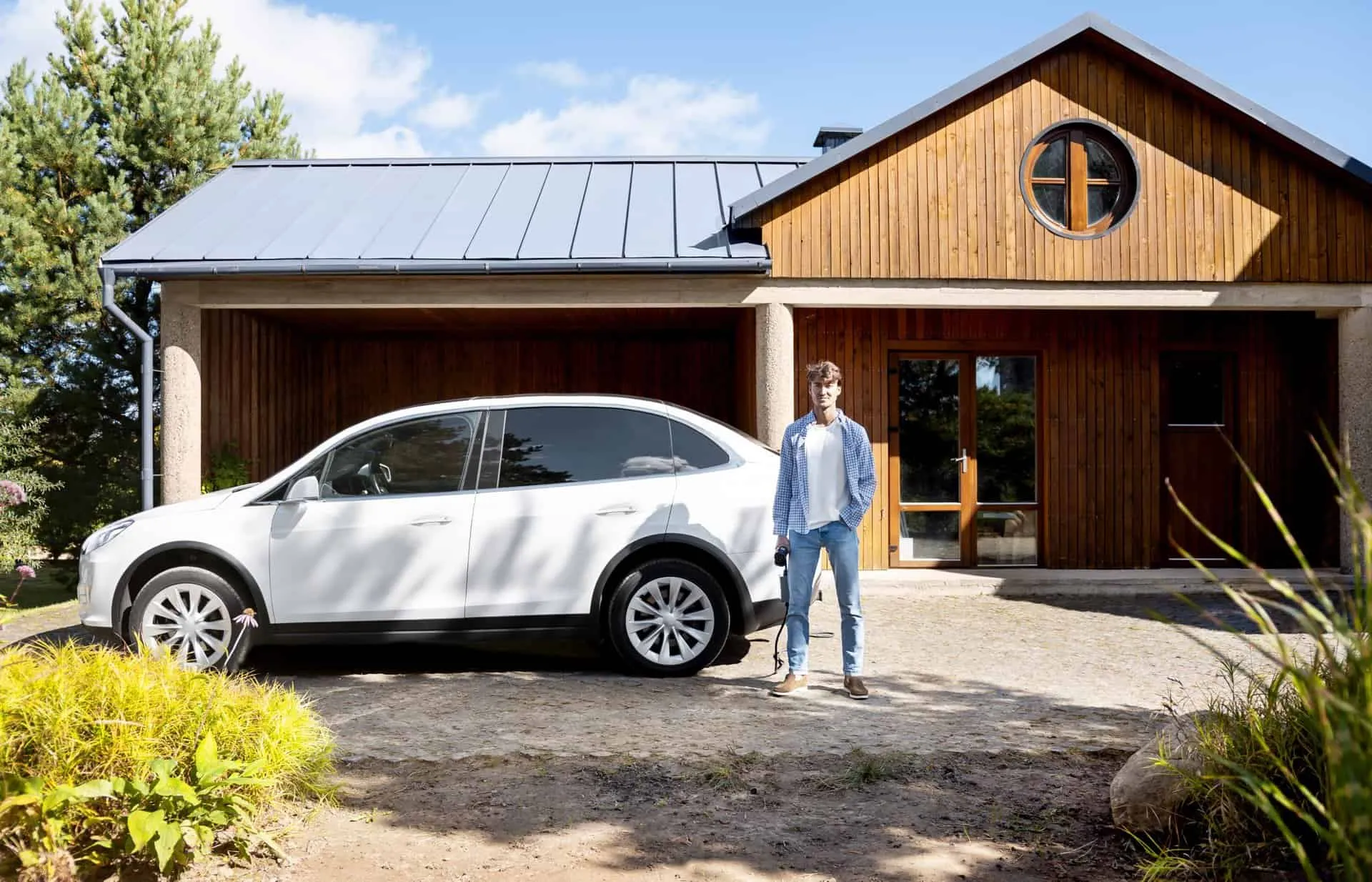
In March 2024, Rewiring Aotearoa released a new study titled “Electric Homes - Rewiring Aotearoa,” focusing on the biggest opportunities presented by electrifying New Zealand’s homes and vehicles.
This report explores three fundamental questions:
-
What are the cost of living and emissions impacts of electrifying New Zealand homes?
-
What are the individual appliance and vehicle economics behind New Zealand electrification?
-
How many emissions can be attributed to decisions made by the household, and how does this relate to how we account for emissions in both our domestic economy and national emissions inventory?
Introduction to Electrification in New Zealand
There is a critical discussion on the electrification tipping point for New Zealand homes, including vehicles. It identifies this tipping point as the moment when electric technologies replace their fossil fuel counterparts, yielding cost savings and emissions reductions.
This point is vital for transitioning towards a sustainable energy economy, emphasising the role of heat pumps, electric vehicles, solar energy, and batteries in this model shift.
What is electrification, and how does it work?
Electrification is the substitution of technologies and processes that rely on fossil fuels, such as petrol engines and gas boilers, with those powered by electricity, like EVs and heat pumps. It’s suggested that this transition not only enhances energy efficiency but also reduces energy demand and CO2 emissions, particularly as the electricity generation shifts towards decarbonisation with renewable energy sources.
Electrification is vital for achieving net-zero emissions by 2050, with major emission reductions expected from electric transport and the adoption of heat pumps.
Despite its benefits, including sustainability, new technology, and improved air quality, electrification faces challenges, including the need for technological advancements in sectors with less commercially ready technologies and economic barriers in sectors like heavy-duty vehicles and industry, where electrification is more complex and costly.
Cost of Living and Emissions Impacts
The report suggests New Zealand has already crossed the electrification tipping point, positioning it as a leader where home and vehicle electrification offers dual benefits of cost savings and emissions reduction.
Transitioning to electric appliances and vehicles, coupled with rooftop solar and battery storage, could save households over $1,000 annually, enhancing energy resilience and significantly reducing home energy emissions.
Average home energy comparison
The report categorises domestic energy emissions, revealing that 31% relate to household decisions. By shifting towards electrification using existing technology, households can play a substantial role in reducing New Zealand’s emissions. This shift also paves the way for a larger conversation about redesigning New Zealand’s energy system to be more resilient and efficient, using locally-produced electricity and new technologies.
Efficiency and Economic Benefits of Electrification
Through detailed analysis, “Electric Homes - Rewiring Aotearoa” highlights the efficiency of electric machines over their fossil fuel counterparts. This efficiency translates into considerable energy and cost savings for households.
The study demonstrates the economic viability of replacing fossil fuel appliances and vehicles with electric alternatives, accentuated by the falling costs of electric vehicles, appliances, solar panels, and batteries due to economies of scale. Embrace the power of the sun, and let us be your Energy Partner for Life.
Challenges and Opportunities
The report identifies key barriers to electrification, including access to finance and the need for cost-reflective electricity tariffs. It suggests that addressing these challenges requires:
- Joint effort to facilitate finance for households
- Incentives for rooftop solar and battery installation
- Reforming electricity market tariffs to reflect the true value of customer energy resources
New Zealand’s Unique Opportunity
New Zealand has a significant opportunity to lead the world in electrification and renewable energy utilisation. With a history of electrical new technology and a highly renewable electricity grid, New Zealand is poised to significantly reduce its carbon footprint while achieving economic and energy resilience benefits.
“Electric Homes - Rewiring Aotearoa” report presents a compelling case for the widespread adoption of electrification in New Zealand homes and vehicles. It outlines a path forward that not only addresses the urgent need for emissions reduction but also offers economic advantages to households. As New Zealand stands at the forefront of this transition, the report calls for strategic ac
Related services: EV Charger Installation, Solar Panel Installation, Solar Battery Storage. Working across West Auckland, the North Shore and Auckland Central.
Next step
Want this for your place?
Tell us your car and where the switchboard is. We will quote from photos where we can.
More in Industry and policy
Advancing Solar Regulations in New Zealand: A Important Step Towards a Cleaner grid
Learn about recent changes in New Zealand's solar industry regulations what they mean for homeowners and how they improve safety.
Read →Charting New Zealand's Path to Net Zero: A Business Owner's Perspective on Clean Energy
Explore the clean energy transition in New Zealand from a business owner's viewpoint how companies adopt solar and sustainable systems
Read →Healthy Homes Standards Put Strain On NZ Power Grid, Alternatives Needed
Explore how the Healthy Homes Standards in New Zealand are contributing to heightened electricity demand and grid strain.
Read →