
Industry and policy
Charting New Zealand's Path to Net Zero: A Business Owner's Perspective on Clean Energy
Explore the clean energy transition in New Zealand from a business owner's viewpoint how companies adopt solar and sustainable systems
By Cameron Dick, Founder and Director · Published 16 February 2024 · Updated 11 November 2025
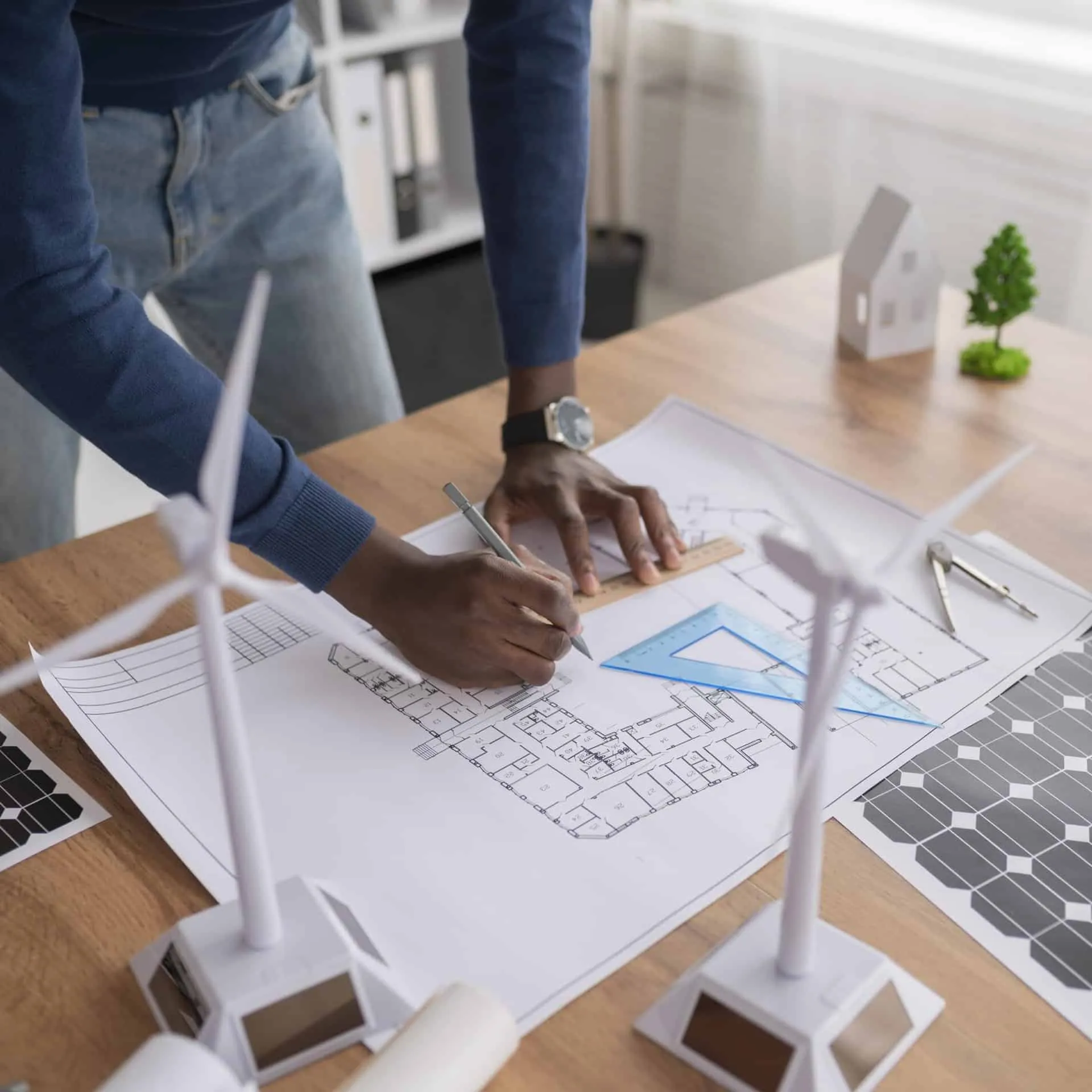
As a 35-year-old business owner at the helm of Vital Solar, I’ve witnessed firsthand the growing urgency for clean energy in New Zealand. Our nation’s move to Net Zero is not just an environmental goal; it’s a commitment to our future generations. In this pursuit, solar panels are not merely tools but symbols of a sustainable revolution.
My Vision for Clean Energy:
As New Zealand strides towards Net Zero, my vision as a business leader in the solar industry is clear: to make clean energy accessible and viable for all. Solar energy, a cornerstone of clean energy solutions, is important in this transition. It’s more than just using the sun; it’s about redefining how we power our lives, responsibly and sustainably. This involves using products designed to last, ethically manufactured, and with sustainability at the core of our suppliers’ businesses.
The Imperative of Solar Panels:
In my process with Vital Solar, solar panels have been more than just products, they are a sign of a cleaner, cleaner grid. They epitomise the shift from depleting resources to renewable sources, aligning perfectly with New Zealand’s Net Zero ambitions. Solar technology, with its immense potential and minimal environmental impact, stands as the key to unlocking a carbon-neutral future.
Driving Economic and Environmental Change:
The transition to solar energy is not just an environmental choice; it’s an economic strategy. As a business owner, I’ve seen the creation of green jobs and the boost in local economies. Solar panels offer long-term savings, reduce dependence on fossil fuels, and foster a sustainable economic model. This is the future I am investing in, a future where economic growth and environmental stewardship go hand in hand.
The Health Benefits of a Cleaner grid:
Clean energy directly translates to cleaner air and a healthier community. Solar panels significantly reduce the pollutants that contribute to health issues. As a business leader, advocating for solar energy means advocating for the well-being of our people and our planet.
Letting Through Solar Energy:
As we move towards Net Zero, the role of businesses like Vital Solar becomes increasingly important. We are not just selling solar panels; we are letting homes and businesses to be part of a larger, vital change. Our mission is to educate and equip our community to make energy choices that benefit both the present and future generations.
As a young entrepreneur committed to New Zealand’s Net Zero goal, I believe that the adoption of solar panels is more than a trend; it’s a necessity. It’s about taking a stand for our environment, our economy, and our health. This move to a cleaner grid is not one we can start alone. Together, with each solar panel installed, we are writing a new chapter in New Zealand’s energy story, a chapter of hope, responsibility, and new technology.
Related services: Solar Panel Installation, Solar Battery Storage, EV Charger Installation. Working across West Auckland, the North Shore and Auckland Central.
Next step
Want this for your place?
Send us a recent power bill and we will size a system and show you the numbers.
More in Industry and policy
Advancing Solar Regulations in New Zealand: A Important Step Towards a Cleaner grid
Learn about recent changes in New Zealand's solar industry regulations what they mean for homeowners and how they improve safety.
Read →Electric Homes: Rewiring Aotearoa: A Case Study on Electrification
Explore the shift to modern homes in New Zealand including rewiring for electrical safety EV chargers and ready for later solar readiness
Read →Healthy Homes Standards Put Strain On NZ Power Grid, Alternatives Needed
Explore how the Healthy Homes Standards in New Zealand are contributing to heightened electricity demand and grid strain.
Read →