
Owning solar
How Long Do Solar Panels Last?
Discover what to expect from solar panel longevity performance warranties, degradation over time and how to maximise lifespan of solar panels
By Cameron Dick, Founder and Director · Published 28 November 2024 · Updated 11 November 2025
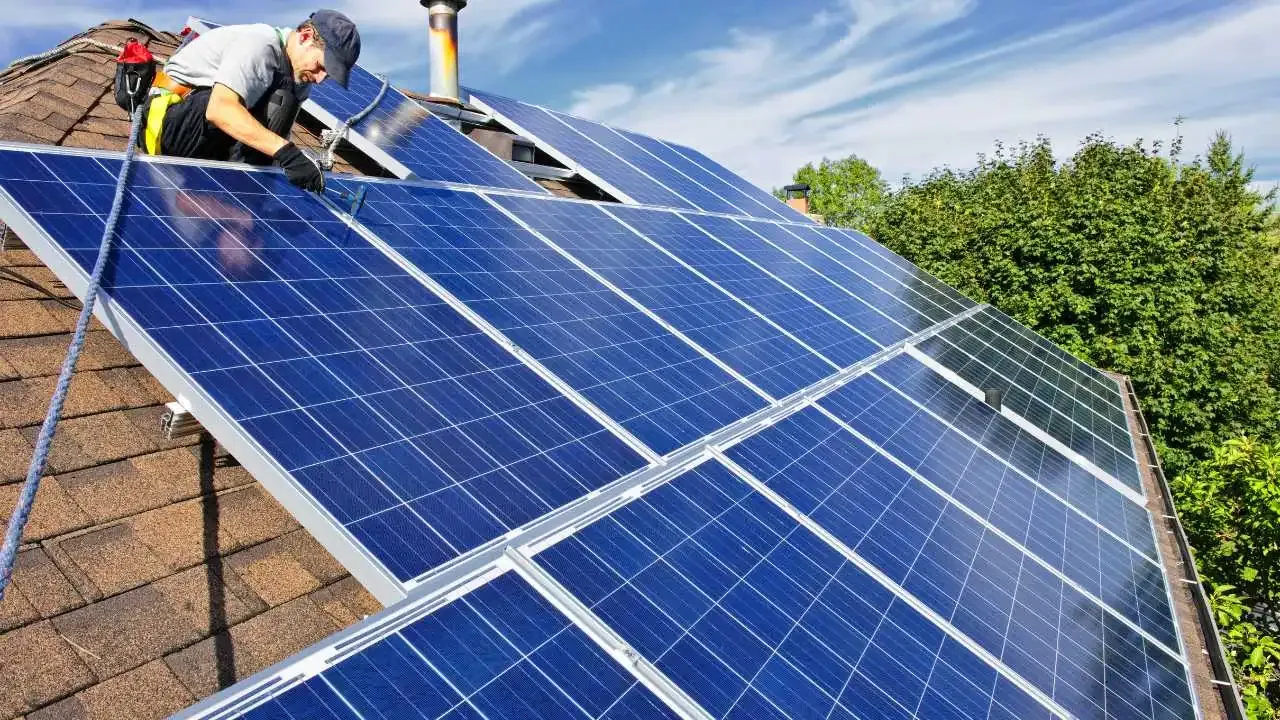
If you’re wondering, “How long do solar panels last?”, you’re not alone. This is one of the most common questions people have when considering solar energy. The good news is that solar panels are a long-term investment, providing clean energy for decades. Let’s look at the specifics.
Average Lifespan of Solar Panels
Most solar panels last between 25 to 30 years. After 25 years, solar panels typically continue to function but at reduced efficiency, usually around 80-85% of their original capacity. So, while they don’t just stop working, they will generate less electricity as time goes on. In practical terms, this means your solar panels are still valuable but might not produce as much energy as they did initially.
What Affects Solar Panel Lifespan?
When people ask about solar panel lifespan, it’s important to consider the factors that influence how long they last. Here are the key elements that affect solar panel durability:
- Material Quality
- Well-made vs. Low-Quality Panels: Solar panels from well-known, reputable manufacturers tend to last longer. They use high-grade silicon, which makes a big difference in durability and performance.
- Tier 1 Manufacturers: Opting for Tier 1 solar panels is ideal because they come with better warranties and longer expected lifespans. These panels are crafted using better materials and rigorous manufacturing processes.
- Installation Quality
- Poor installation can shorten the lifespan of your solar panels. Improper sealing can let moisture in, which could damage the internal components. Always work with a professional, certified installer to give $1 panels are mounted correctly.
- Environmental Conditions
- Weather Extremes: Solar panels are designed to withstand a variety of weather conditions, including rain, wind, and snow. However, extreme conditions like hailstorms or hurricanes may damage them. Solar panels also endure expansion and contraction from temperature changes, which, over time, can impact their longevity.
- Temperature Swings: Constant exposure to very high temperatures or large shifts between day and night temperatures can lead to wear and tear. Panels in temperate climates often last longer.
- Regular Maintenance
- Proper maintenance goes a long way in making sure your solar panels last as long as possible. Regular cleaning to remove dust, leaves, or bird droppings can help maintain efficiency. Annual inspections to check for any minor damage or loose connections are also advisable.
Solar Panel Degradation Rate
The term you need to know here is degradation rate, this is the rate at which solar panels lose their efficiency over time. On average, solar panels degrade at a rate of 0.5% to 1% per year. This means that after 25 years, you could still expect your panels to produce 75-85% of their original output.
Newer Panels Have Lower Degradation Rates: The good news is that technology is improving, and newer models often have a lower degradation rate. Some of the best panels degrade as little as 0.3% per year, meaning they could retain over 90% efficiency even after 25 years.
Understanding Warranties
Solar panels come with two types of warranties: performance warranty and product warranty.
- Performance Warranty: This guarantees that your panels will maintain a certain level of efficiency, often 80% or higher after 25 years. This warranty essentially makes sure your panels won’t degrade too quickly.
- Product Warranty: This covers physical defects in the panels themselves. Typically, product warranties last between 10 to 12 years, but some manufacturers offer warranties up to 25 years.
Warranties are a great indicator of how long the manufacturer expects the panels to last and perform well.
How to Extend the Life of Your Solar Panels
Want to make sure your solar panels last as long as possible? Here are some practical steps you can take:
- Routine Inspections: Schedule annual checkups to identify and fix any loose wiring or minor damage. Small issues can escalate if not addressed.
- Keep Panels Clean: Dirty panels generate less electricity. Depending on where you live, you may need to clean them periodically to remove dust, leaves, or bird droppings.
- Energy Monitoring: Use an energy monitoring app to track the performance of your system. A sudden drop in energy output can signal an issue that needs fixing.
- Work with Professionals: Always opt for professional maintenance. Certified technicians know what to look for and can give $1 panels are in top shape.
When to Consider Replacing Solar Panels
Solar panels can work well beyond their expected lifespan, but their efficiency will decrease over time. You might want to replace them when they no longer generate enough electricity to meet your needs, or when newer technology offers much better efficiency. Replacement isn’t always about failure, it’s often about optimising your energy output.
Solar Panel Recycling
As solar energy becomes more widespread, solar panel recycling is gaining attention. Panels are mainly composed of materials like glass, aluminium, and silicon, all of which can be recycled. There are growing initiatives and companies focusing on recycling old panels, making sure solar remains an environmentally friendly choice even at the end of its life cycle.
The short version
- How long do solar panels last? Typically 25 to 30 years or longer, but their efficiency will decrease gradually.
- Degradation Rate: Panels lose about 0.5% to 1% efficiency each year.
- Warranties: Look for long warranties (20-25 years) as an indicator of quality and longevity.
- Maintenance Matters: Regular maintenance and cleaning can significantly extend the life of your panels.
Solar panels are a long-term, reliable investment. By choosing well-made panels, making sure proper installation, and maintaining them, you can enjoy renewable energy for decades. If you’re considering solar energy, remember that while the initial investment is substantial, the long-term returns, in both energy savings and reduced carbon footprint, make it worthwhile.
FAQs for Quick Reference
**Do solar panels stop working after 25 years? **No, they don’t stop working; they just become less efficient. After 25 years, they still operate at around 80-85% capacity.
**What affects the lifespan of solar panels? **Quality of materials, proper installation, environmental conditions, and regular maintenance.
**How can I extend the lifespan of my solar panels? **Regular cleaning, annual professional inspections, and using energy monitoring apps to catch issues early.
If you’re considering solar, understanding the lifespan and the factors that impact it can help you make an informed decision, maximizing the benefits of renewable energy for years to come.
Related services: Solar Panel Installation, Solar Battery Storage, EV Charger Installation. Working across West Auckland, the North Shore and Auckland Central.
Next step
Want this for your place?
Send us a recent power bill and we will size a system and show you the numbers.
More in Owning solar
How to Clean Solar Panels: A Step-by-Step Guide
Get a clear step-by-step guide to safely cleaning your solar panels in New Zealand maximise their efficiency maintain performance
Read →Maximising the Life of Your Solar Panels: A Full Guide
Discover expert advice on how to extend the lifespan of your solar panel system in New Zealand including maintenance checks, panel orientation
Read →Should I Leave My Solar Panels On All the Time?
Find out whether you should keep your solar panels switched on all the time, how your solar PV system works and best practice for efficiency.
Read →